
Kitec Plumbing in Scarborough: What Homeowners Should Know
If your home dates back to the late 1990s or early 2000s, there’s a good chance it may contain Kitec plumbing. Once viewed as an affordable substitute for copper, Kitec has since become known for issues like corrosion, leaks, and expensive plumbing repairs.
For homeowners in Scarborough, North York, Concord, Etobicoke, and Markham, Kitec can affect more than just plumbing performance. It may also influence insurance coverage, resale value, and how confident you feel about the condition of your home.
A lot of people only find out they have Kitec after an inspection, an insurance question, or a plumbing failure. When that happens, replacement often becomes a priority. This article explains what Kitec is, why it causes concern, how insurance companies may respond, and what removal usually costs.
What Kitec Plumbing Is
Kitec was a plumbing system commonly installed from about 1995 to 2007. It typically combines flexible plastic tubing with brass fittings and was originally sold as a cheaper, easier-to-install alternative to copper piping.
At first, it seemed like a practical solution. Over time, though, many homeowners discovered that the brass fittings can corrode and the system can break down, increasing the risk of leaks and water damage.
Why Kitec Creates Problems
The biggest issue with Kitec is that it can fail with very little warning. A home may look perfectly fine while hidden damage is developing inside walls or beneath flooring.
Problems commonly linked to Kitec include:
- Pin-hole leaks.
- Corroded fittings.
- Reduced water pressure.
- Hidden moisture damage.
- Costly repairs to finished areas.
Because the system is usually concealed, homeowners may not notice an issue until it has already caused major damage. In many cases, the cost of repairing the damage is much higher than replacing the plumbing ahead of time.
Kitec and Home Insurance in Scarborough
Insurance companies often consider Kitec a higher-risk plumbing system because of its history of leaks and water loss claims.
Depending on the insurer, a home with Kitec may face:
- Higher premiums.
- Larger water damage deductibles.
- Water damage limits or exclusions.
- Requests for plumbing inspections.
- Requirements to replace the piping before renewal.
That can be frustrating, but it also makes early action important. If you think your home may have Kitec, it’s smart to talk with your insurer or broker before a renewal or claim becomes an issue.
Can a Home With Kitec Still Be Insured?
Yes, but the policy may include restrictions.
Some insurers will still provide coverage, while others may:
- Raise the premium.
- Limit water damage coverage.
- Ask for plumbing documentation.
- Require proof of replacement within a specific timeframe.
Because every insurer handles this differently, homeowners should review their policy carefully rather than assuming all companies follow the same rules.
How to Tell If Kitec Is Present
The age of the home is the best starting point. Kitec is most often found in homes built between 1995 and 2007, including many properties in Scarborough, North York, Concord, Etobicoke, and Markham.
You may spot it in areas such as:
- Near the water heater.
- Under sinks.
- In utility rooms.
- Around the main shut-off valve.
- Beside boilers or other mechanical equipment.
Common clues include:
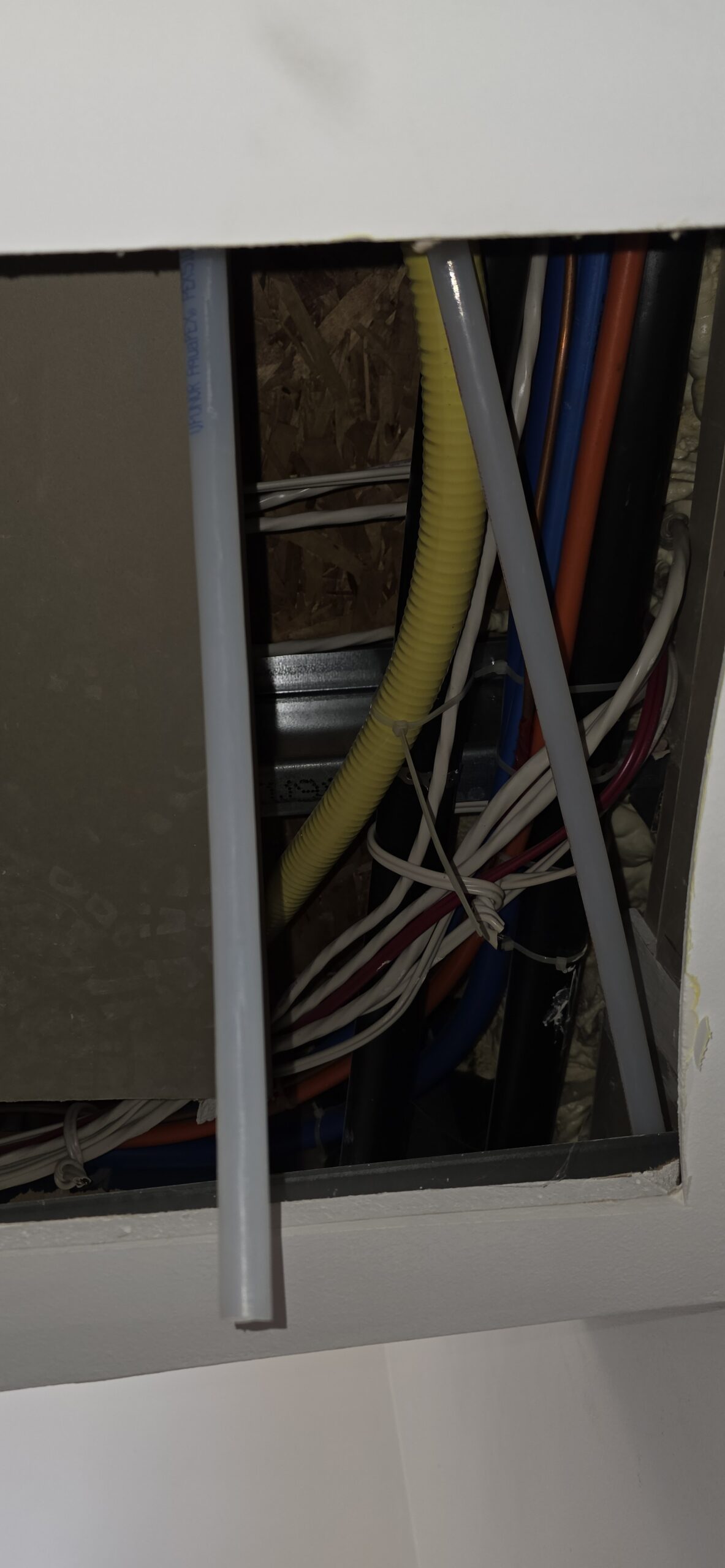
- Orange or blue tubing.
- Fittings stamped with names like Kitec or KTC.
- Brass components showing corrosion.
- Reduced water pressure in certain fixtures.
- The pipes fitting ring is stamped with XPA
Since much of the system may be hidden behind walls, the most reliable way to confirm it is to have a licensed plumber inspect the home.
Should Kitec Be Replaced?
In most cases, yes. Full replacement is usually the safest long-term solution.
Replacing Kitec can help homeowners:
- Lower the risk of leaks.
- Protect the home from water damage.
- Improve insurance options.
- Make the property easier to sell.
- Avoid surprise plumbing expenses later.
Many homeowners choose to replace Kitec before a failure happens rather than wait for damage to spread into drywall, flooring, or personal belongings.
What Happens During Kitec Removal?
A standard Kitec replacement project usually includes:
- Inspecting the existing plumbing.
- Planning the replacement route.
- Removing the old Kitec pipes and fittings.
- Installing new copper or PEX piping.
- Pressure testing the new system.
- Repairing access points as needed.
- Cleaning up and completing a final inspection.
The total timeline depends on the home’s size and layout, but many projects are completed within a few days.
How Much Kitec Removal Costs
The cost of removal depends on the home’s size, how accessible the plumbing is, and how much repair work is needed after installation.
As a rough estimate, many homeowners can expect a replacement range of $5,000 to $15,000+. Larger homes or more complex layouts may cost more.
Even though it can be a significant expense, many homeowners consider it a worthwhile investment because it may prevent much larger repair costs later.
Why People Replace Kitec
The main advantages of replacement usually include:
- More peace of mind.
- Less risk of sudden plumbing failure.
- Better resale confidence.
- Stronger insurance outcomes.
- Long-term home protection.
For homeowners planning to stay in their home for years, replacement is often a practical way to protect a major asset.
Why Choose Mersey Heating and Air Conditioning?
At Mersey Heating and Air Conditioning, we help homeowners in Scarborough, North York, Concord, Etobicoke, and Markham identify and replace Kitec plumbing with modern, dependable materials.
Our team focuses on clear communication, quality workmanship, and reliable solutions that help protect your home from future plumbing problems. If you’re not sure whether your home has Kitec, or if your insurer has raised concerns, we can help you understand your next steps.
Book a Kitec Inspection
If your home was built between 1995 and 2007, now is a good time to confirm whether Kitec is still in the plumbing system.
A professional inspection can help you identify what type of plumbing you have, understand the risks, and decide whether replacement is the right move for your home and insurance situation.
Contact Mersey Heating and Air Conditioning today to schedule a Kitec inspection or learn more about replacement options.