
Plumbing Emergency Checklist: What to Do in a Plumbing Emergency Before the Plumber Arrives
What Counts as a Plumbing Emergency?
Not every plumbing issue requires immediate service, but some situations should be treated as urgent. Homeowners should contact emergency plumbing services right away if they experience:
- A burst pipe or uncontrolled water leak
- A sewer backup affecting multiple drains or fixtures
- An overflowing toilet that does not stop after using the shut-off valves
- Water pooling near electrical outlets, panels, or appliances
- Active flooding that threatens floors, walls, or personal belongings
In these cases, delaying action can significantly increase damage.
Step-by-Step Plumbing Emergency Checklist
1) Shut Off the Main Water Valve
Shutting off the water is the most crucial first step in most plumbing emergencies. Locate your home’s main water shut-off valve and turn it off entirely. This prevents additional water from entering the system and helps limit damage.
If you are unsure where the valve is located, common areas include near the water meter, in the basement utility area, or at the point where the water line enters the home.
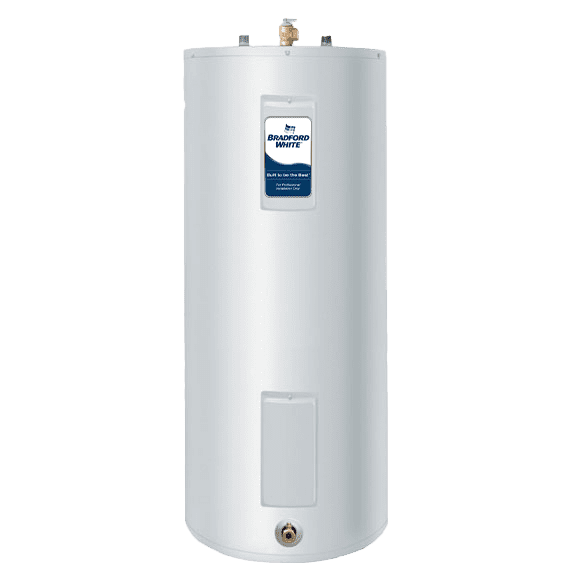
2) Turn Off the Water Heater (If Applicable)
If the issue involves hot water lines or significant leaking, turning off the water heater can help reduce pressure within the system. This may also help protect the unit from damage.
Use only the manufacturer-recommended basic shut-off controls. Do not attempt to access gas lines, electrical panels, or internal components.
3) Use Buckets and Towels to Contain Water
While waiting for an emergency plumber, use buckets, towels, or absorbent materials to contain and redirect water away from walls, flooring, and valuables. Even small containment efforts can reduce the extent of water damage.
Avoid performing temporary pipe repairs or applying sealants, as they can complicate professional maintenance later.
4) Open Drains or Spigots Away From the House
Once the main water supply is shut off, opening an exterior spigot or drain away from the home may help relieve pressure in the plumbing system. This step should only be taken if it can be done safely.
Do not open drains if you suspect a sewer backup, as this may worsen the situation.
5) Take Photos for Insurance
After immediate risks are under control, take clear photos of the affected areas. Documentation can be helpful for insurance claims and future assessments.
Only take photos if conditions are safe and standing water is manageable.
Common Winter Plumbing Emergencies in Scarborough
Cold weather increases the risk of plumbing failures, especially in older Scarborough homes. Frozen pipes, sudden bursts, and slow drainage that escalates into backups are common winter-related issues.
Higher indoor water use during colder months can also strain plumbing systems, making early intervention particularly important.
What Not to Do During a Plumbing Emergency
Specific actions can worsen plumbing emergencies. Homeowners should avoid:
- Using chemical drain cleaners
- Disassembling pipes or fixtures
- Applying open heat sources to frozen pipes
- Ignoring signs of sewer backup
- Delaying contact with an emergency plumber during active leaks
Emergency plumbing situations require professional tools and assessment.
When to Call an Emergency Plumber
If water is actively leaking, backing up, or causing damage, homeowners should call an emergency plumber immediately. Issues involving burst pipes, sewer backups, or uncontrolled overflows should never be postponed.
A quick professional response helps reduce damage and restore plumbing systems safely.
Preparing Before an Emergency Happens
Being prepared can make plumbing emergencies easier to manage. Knowing where shut-off valves are located, keeping emergency contact details accessible, and scheduling routine inspections can help reduce the risk of unexpected failures.
If you are dealing with an active plumbing emergency, Mersey’s emergency plumbing team can help you respond quickly and safely.